
Key Features to Consider When Choosing a Home Surveillance Camera System
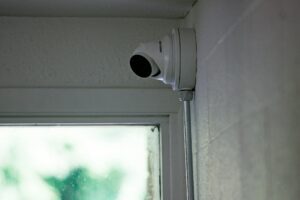
Home security has grown increasingly important as homeowners look for ways to protect their property and loved ones. A home surveillance camera system can act as both a deterrent for potential intruders and a way to monitor daily activity, giving peace of mind in an unpredictable world. However, choosing the right system can feel overwhelming with so many options, features, and technologies available. Selecting a camera that fits your specific needs requires careful consideration of multiple factors, from video quality to storage solutions. This guide will discuss the top five features to look for in a home surveillance camera system and help you make an informed decision, so your investment contributes effectively to your household’s safety and security.
Video Quality and Resolution
One of the most important features to consider is the camera’s video quality. Higher resolution cameras capture more detail, making it easier to identify people, vehicles, or suspicious activity. Many modern systems offer 1080p or even 4K resolution, which provides clearer images and more precise evidence in case of an incident. It is crucial to test cameras in the environment where they will be used. Lighting conditions, distance from objects, and potential obstructions can affect performance. A camera with a wide-angle lens can cover more space with fewer units, while zoom functions allow for detailed views without compromising coverage. Clear, crisp video contributes directly to a system’s effectiveness in monitoring your home.
Night Vision Capabilities
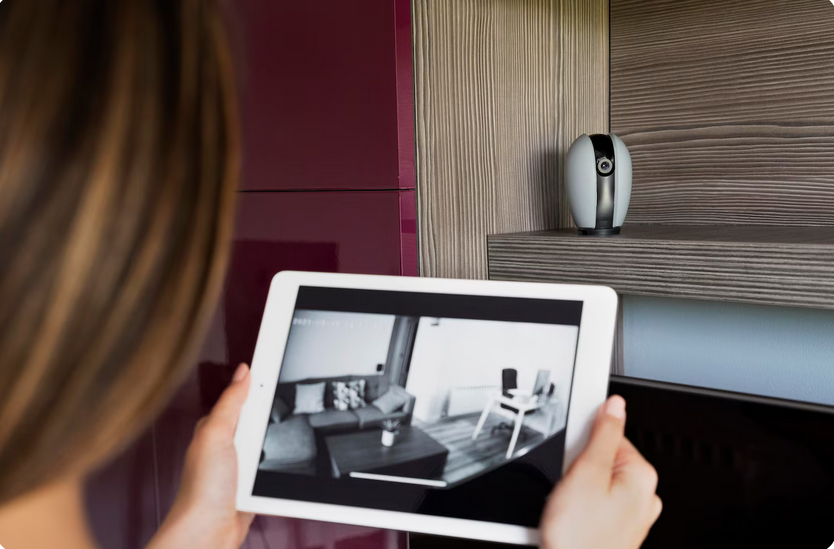
Criminal activity often occurs during low-light hours, so night vision is a critical feature. Cameras equipped with infrared LEDs or low-light sensors can capture clear footage in darkness. When evaluating night vision, consider the range and quality of visibility. Some cameras automatically adjust brightness to reduce glare or overexposure, which improves recognition of faces or objects at night. A camera system that performs poorly in low light limits security and creates blind spots. Choosing one with reliable night vision ensures that your home is monitored effectively at all times. This feature can make the difference between a missed event and a clear record of activity.
Motion Detection and Alerts
Motion detection allows cameras to monitor for unusual activity and send notifications to your device when movement is detected. This feature reduces the need for continuous manual monitoring, saving time and effort. Some systems even allow users to customize detection zones to focus on specific areas, minimizing false alerts from trees, pets, or passing vehicles. Advanced motion detection can be combined with AI technology to differentiate between humans, animals, and objects, making alerts more precise. Real-time notifications allow homeowners to react quickly, whether it is contacting authorities or checking live footage. Motion detection enhances security efficiency and provides a proactive approach to home monitoring.
Storage Options and Accessibility
Another key consideration is how video footage is stored and accessed. Some cameras offer cloud storage, which allows for remote access from any device. Others use local storage options, such as microSD cards or network-attached storage, which can reduce ongoing subscription costs. Selecting a system with flexible storage options helps manage long-term data needs and accessibility. For instance, cloud storage provides off-site backup in case of theft, while local storage avoids recurring fees. Additionally, easy access to recorded footage ensures that you can review events quickly and efficiently when needed.
Integration and Smart Features
Modern surveillance cameras often integrate with other smart home devices, such as alarms, door locks, or lighting systems. This feature allows for coordinated security measures that enhance overall protection. Voice control through virtual assistants and app-based monitoring also adds convenience and accessibility for homeowners. Consider whether the system supports your preferred ecosystem and offers features that complement your lifestyle. Smart integration can automate responses, such as turning on lights when motion is detected or sending instant alerts to multiple devices. A camera system that works seamlessly with other home technology maximizes utility and user experience.
Selecting the right home surveillance camera system requires careful evaluation of features that directly impact effectiveness and convenience. Prioritizing video quality, night vision capabilities, motion detection, storage options, and integration with smart devices can significantly improve the functionality of your security setup. By focusing on these five essential aspects, homeowners can make a confident choice that enhances protection, keeps loved ones safe, and provides peace of mind. A well-chosen system delivers continuous monitoring without unnecessary complications, offering long-term value for residential security.…